Why Snus and Pouches Are Gaining Popularity Among UK Nicotine Users
Walk into any corner shop in central London or browse a few of the specialist online retailers that have popped up over the past couple of years, and you will notice something that was barely on the radar a decade ago: a growing shelf space devoted to nicotine pouches. The products themselves are not new. Snus has been a staple in Sweden since the early nineteenth century, and tobacco-free pouches have been common in Scandinavia for years. But the UK market has seen a real shift recently. People are looking for alternatives to smoking and vaping, and the convenience of a discreet pouch that requires no paraphernalia is hard to ignore.
This is where the conversation about Snus and Pouches Snus and Pouches starts to get interesting. In the past, the term "snus" was often used interchangeably with any oral nicotine product. Strictly speaking, traditional snus contains tobacco and is regulated differently across Europe. In the UK, tobacco snus is banned under EU rules that the country adopted, but tobacco-free nicotine pouches are perfectly legal and widely available. The distinction matters. A pouch that contains no tobacco leaf, no smoke, and no vapour appeals to people who want to avoid the health risks associated with combustion and the social friction of vaping indoors. It also appeals to anyone who simply wants a clean, predictable nicotine experience without the ritual of rolling, lighting, or charging.
What Exactly Is a Nicotine Pouch?
A nicotine pouch is a small, pre-portioned sachet that you tuck under your upper lip. It contains nicotine (usually extracted from the tobacco plant or made synthetically), along with plant fibres, flavourings, and a pH adjuster to aid absorption. There is no tobacco leaf inside, no tar, and no smoke. The pouch sits discreetly in the mouth for anywhere from fifteen minutes to an hour, releasing nicotine steadily through the gum tissue. When you are done, you simply remove it and bin it.
The experience is different from vaping because there is no vapour cloud, no battery to charge, and no coil to replace. It is different from smoking because there is no smell on your clothes or breath. For many users, that lack of odour and the sheer convenience is the primary draw. You can use a pouch in a meeting, on a train, or at a dinner table without anyone noticing. That level of subtlety is hard to achieve with any other form of nicotine.
Why the UK Market Has Embraced Pouches
Several factors have converged to make the UK a fertile ground for nicotine pouches. The first is the steady decline in smoking rates. Public health campaigns, plain packaging, and high taxes have pushed smoking down to around thirteen percent of adults. But many former smokers still want nicotine. Some turned to vaping, but vaping has its own controversies and regulatory pressures. The disposable vape ban in the UK, set to come into effect in 2025, has already nudged people to look for something that is neither a cigarette nor a vape.
The second factor is the gym and wellness culture that has grown significantly over the past decade. Nicotine pouches have found a natural home among athletes and fitness enthusiasts who want a stimulant without the lung damage that comes from inhaling smoke or vapour. You see pouches used in the gym changing room, during long runs, and by cyclists on the road. The product fits the ethos of optimisation and clean living, even if nicotine itself is not exactly health food.
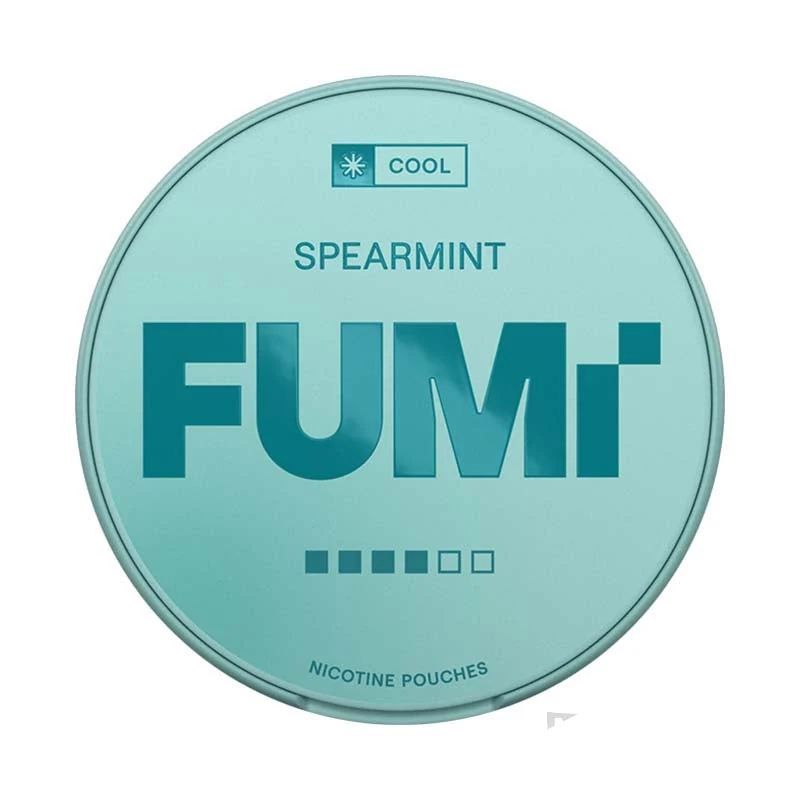
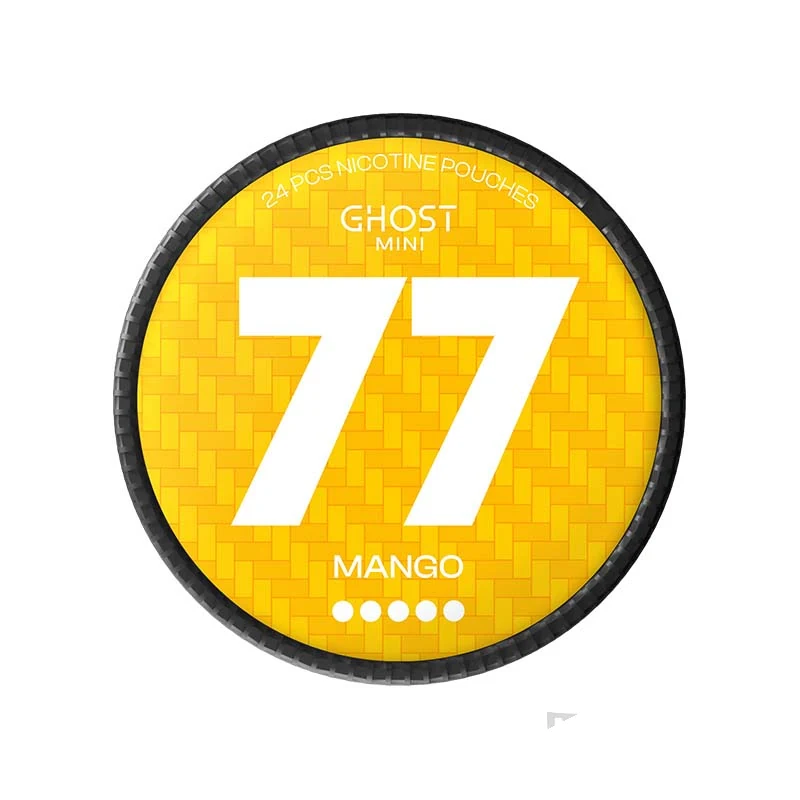
The third factor is the sheer range of flavours and strengths now available. Early pouches were mostly mint or menthol, with a narrow nicotine range that suited only heavy smokers. Today you can find pouches flavoured with citrus, berries, coffee, or tropical fruits, and strengths that range from two milligrams per pouch up to over twenty. That variety means a light user can find something gentle, while a former smoker of two packs a day can get the hit they need without resorting to something harsh.
How to Choose the Right Strength
Strength guidance is one of the areas where a knowledgeable retailer makes a real difference. The nicotine content in pouches is measured in milligrams per pouch, but the amount your body actually absorbs depends on the pH of the pouch, how long you keep it in, and your own tolerance. A standard pouch might contain four to six milligrams of nicotine. For comparison, a typical cigarette delivers about one to two milligrams of absorbed nicotine. That does not mean a four-milligram pouch is as strong as two or three cigarettes, because the absorption rate is slower and more sustained. You get a steady background level rather than a spike.
If you are new to pouches, the sensible approach is to start with a lower strength, around three to six milligrams, and see how it feels. Leave it in for no more than fifteen minutes the first few times. Some people find that a strong pouch placed high on the gum gives a rapid buzz, while a weaker pouch placed lower down delivers a gentler effect. Everyone is different. The key is to treat the pouch with respect and not chase a stronger hit too quickly. Nausea and dizziness are real risks with high-strength products, especially on an empty stomach.
Practical Tips for Everyday Use
One of the things that surprises new users is how dry a pouch can feel at first. Unlike snus, which is moistened by the tobacco, nicotine pouches are typically dry or semi-dry. They rely on your saliva to activate the release. That means you need to keep the pouch in contact with your gum and give it a minute or two to moisten. If you move it around too much, it may not release properly. A little patience pays off.
Storage is another detail that matters. Pouches are best kept in a cool, dry place. If they get too warm, the moisture inside the sachet can migrate and the pouch can become brittle. If they get too cold, the fibres stiffen and the pouch feels less comfortable. A drawer at room temperature, away from direct sunlight, is ideal. Many users find that keeping the tin in a pocket close to the body during winter is fine, but leaving it in a car on a hot day can ruin a whole batch.
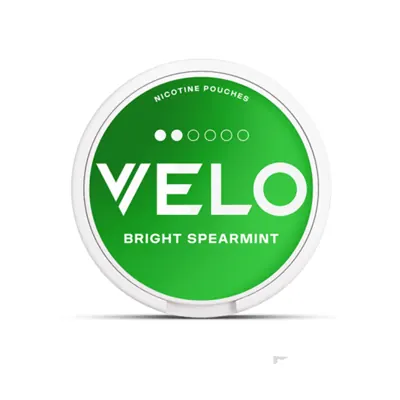
Disposal is also worth thinking about. Used pouches should go into a bin, not flushed down the toilet or dropped on the ground. They are not biodegradable in the short term and can be a nuisance for wildlife and street cleaners. Some brands now offer compostable pouches, but the majority are still made with synthetic fibres. A little care at the end of use keeps the product responsible.
The Evolution of the Category
The nicotine pouch market has evolved rapidly in just a few years. Early products were basic, with simple peppermint flavours and a single strength. The design of the pouch itself was often crude, with a rough texture that irritated the gum after ten minutes. Modern pouches use finer fibres, rounded edges, and moisture-retaining gels that make them far more comfortable. Some brands have moved to a slim format that sits almost invisibly under the lip. Others have developed pouches with a slow-release mechanism that lasts for over an hour without fading.
The flavour development has been equally rapid. Natural mint still dominates, but fruit and dessert flavours have carved out a significant share. There is also a growing interest in unflavoured pouches, which appeal to users who want the nicotine effect without any taste at all. That segment is still small, but it shows that the market is maturing beyond novelty and into utility.
When you look at the whole picture, the phrase Snus and Pouches Snus and Pouches captures a category that is no longer niche. It has become a mainstream option for nicotine delivery in the UK, driven by practicality, variety, and a shift in public attitudes toward what acceptable nicotine use looks like. The days when pouches were an oddity found only in Scandinavian import shops are gone. They are now stocked in supermarkets, petrol stations, and specialist online stores that offer same-day dispatch and free delivery over a certain spend.
What to Watch Out For
No product is perfect, and nicotine pouches have their downsides. The most common complaint is gum irritation, especially if you use a high-strength pouch for too long or place it in the same spot repeatedly. Rotating the position and taking breaks between pouches helps. Some users also report dry mouth or a slight burning sensation. These side effects are usually mild and go away as your mouth adjusts, but they are worth being aware of.
There is also the question of long-term health effects. Nicotine pouches are newer than cigarettes and vaping, so the data on decades of use simply does not exist yet. What we do know is that they eliminate the tar and carcinogens from combustion, which is a major step forward. But nicotine itself is not harmless. It raises blood pressure and heart rate, and it is addictive. Pouches are a harm-reduction tool, not a health product. Anyone who does not already use nicotine should not start with pouches. For existing nicotine users, they offer a cleaner, more convenient way to get their fix.
Final Thoughts
The rise of Snus and Pouches Snus and Pouches in the UK reflects a broader change in how people think about nicotine. Smoking is out of fashion. Vaping is under pressure. Pouches sit in the middle, offering the familiarity of an oral product without the baggage of smoke or vapour. They are not a fad. They are a genuine alternative that has found its audience among commuters, gym-goers, office workers, and anyone who values discretion and control over their nicotine intake.
If you are curious about trying pouches, start low, go slow, and pay attention to how your body responds. The variety on the market today means there is something for almost everyone. And if you find that pouches are not for you, that is fine too. The point is that the option exists, and it is a good one for many people.